Droga says the agency model is changing, but creativity has never been more valuable, while Ansari calls on creative leaders to embrace chaos, and bring play back into agency culture.
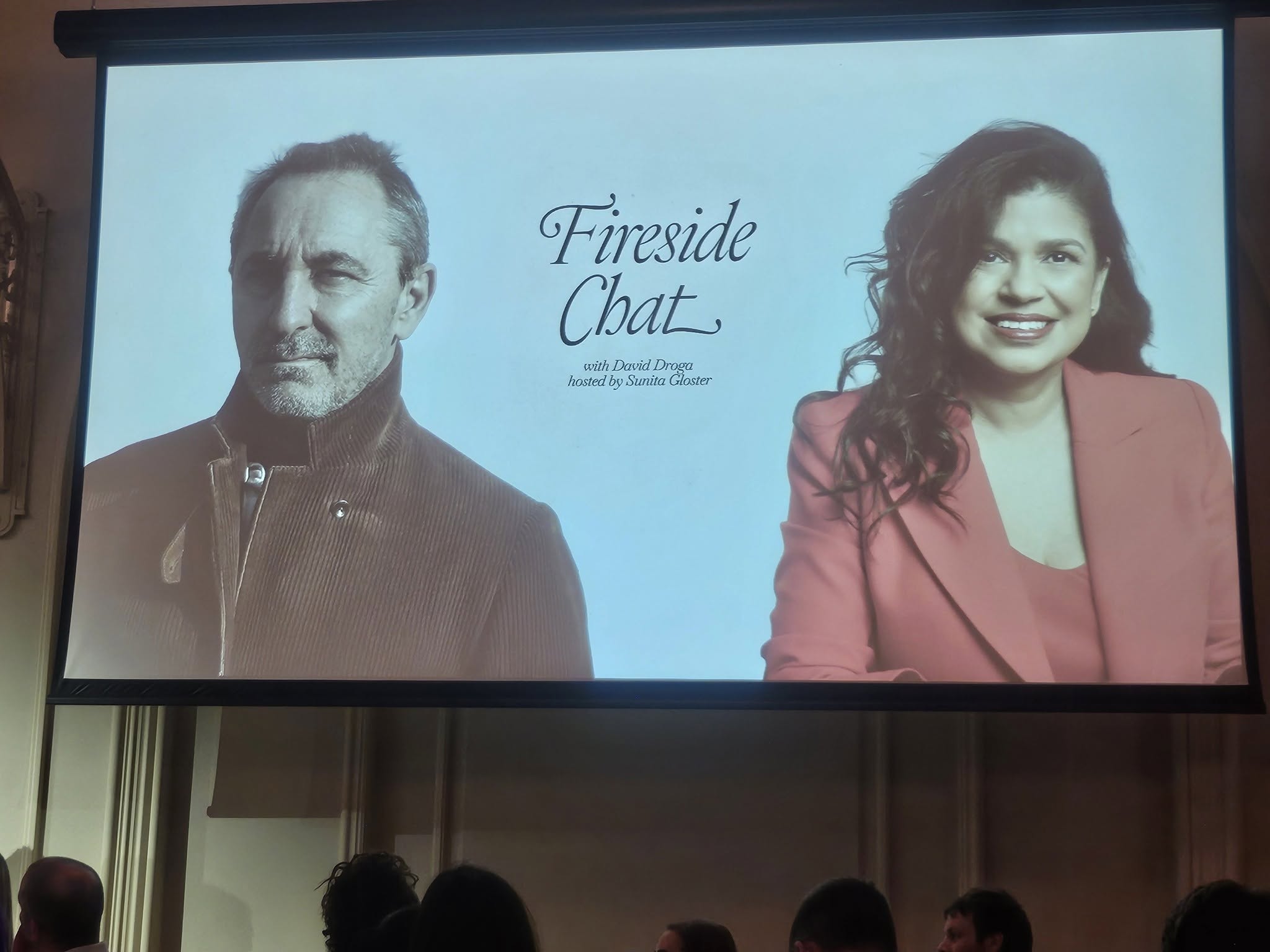
David Droga has declared himself “bullish” on the future of creativity, arguing that while the traditional agency business model is changing, the value of creative thinkers has never been greater. Declaring herself “sick and tired of talking about AI and business models and looking at charts and graphs”, Samira Ansari instead devoted her keynote to the human conditions that allow creativity to flourish.
Speaking alongside Grey US Chief Creative Officer and 47th AWARD Awards Jury President Samira Ansari at The Creative Standard: An AWARD Industry Lunch in Sydney, Droga said automation and the pursuit of efficiency would ultimately make original thinking more valuable, not less.
“I don’t think the world needs necessarily a new agency as in the past, but I really, really believe the business model of the industry is broken or changed,” said Droga, now Vice Chair of Accenture.
What hasn’t changed, he argued, is the need for creative people.
“The necessity of the role we play and the creative thinker is more in demand and more needed now. There is a higher ceiling and there is more opportunity in more companies.”
As automation makes best practice increasingly ubiquitous, Droga predicted businesses would place a premium on people capable of creating difference.
“When everything becomes automated and more efficiencies become the gold standard… it’s going to come back to: who are the difference makers? Who are the people that are going to think of the audacious and the outrageous and the emotional and the empathetic?”
Perhaps his sharpest observation was reserved for the advertising industry itself.
Drawing on his experience inside the boardrooms of major global businesses, Droga said Fortune 50 and 500 companies were increasingly seeking out creative thinkers, strategists and “people of taste”.
“They are greater advocates of creative people than our own industry is now,” he said.
Droga argued that the industry now needs to create clearer pathways for creative people to move beyond the creative department and into the C-suite and boardroom.
He revealed he is working with Fast Company on models to help creatives move into senior corporate roles, while discussions are also underway with Harvard Business School around a potential business program for creatives.
“We’ve got to try and create on-ramps and opportunities and structure and rigour around that to honour that ambition,” he said, describing the scarcity of people with creative, product, design and experience backgrounds on major US company boards as “absurd”.
That opportunity also requires creatives to look beyond the traditional definition of advertising — and beyond the medium or discipline that built their careers.
“Look beyond what got you where you are to where things are going,” he said. “Creativity and ambition are liquid; they’ll fit into any fucking container.”
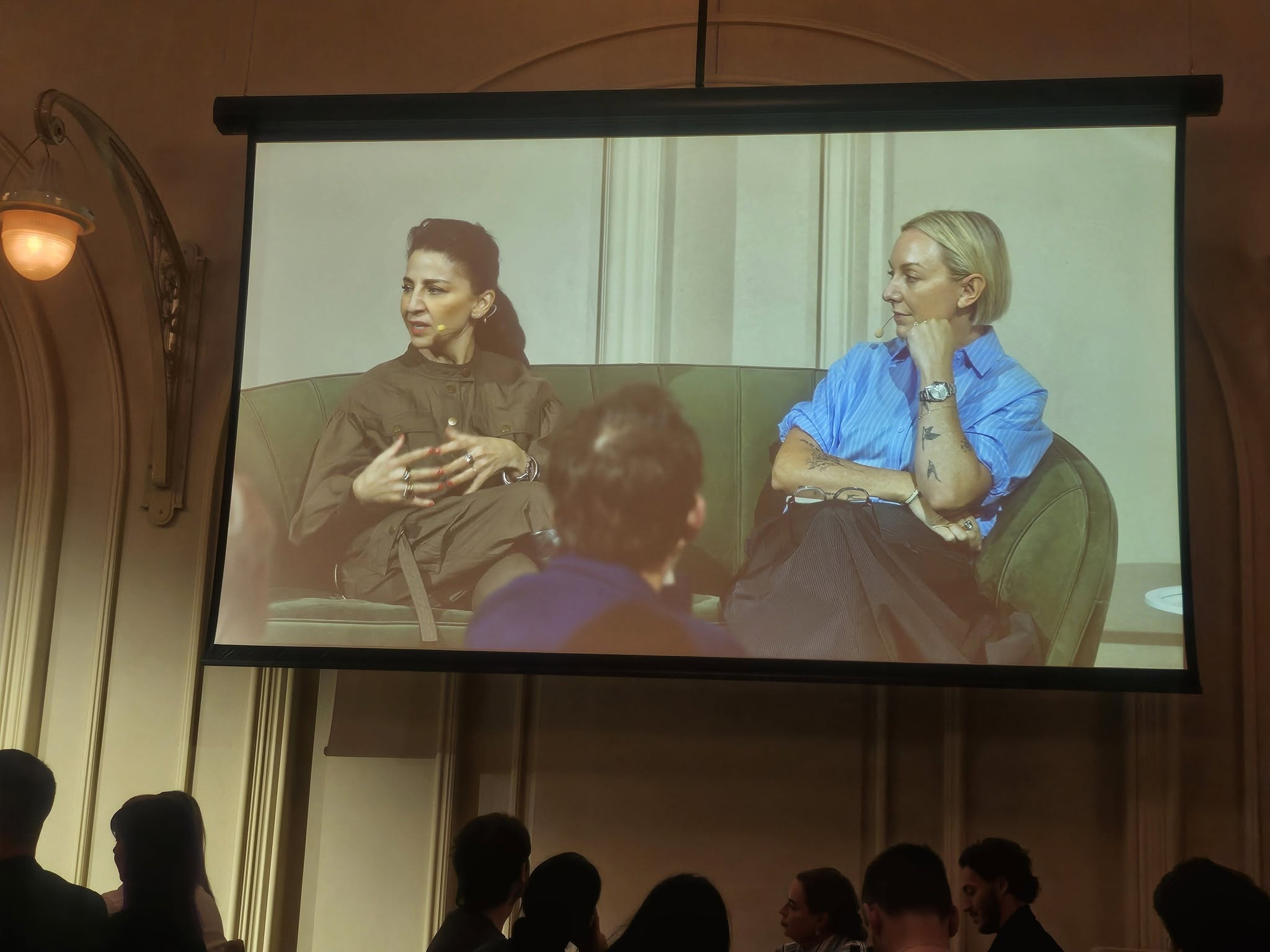
Ansari offered a complementary view of what the industry needs to protect as it navigates that change.
Declaring herself “sick and tired of talking about AI and business models and looking at charts and graphs”, Ansari instead devoted her keynote to the human conditions that allow creativity to flourish.
Drawing unexpected lessons from raising her five-year-old daughter, she called on creative leaders to embrace chaos, listen more, protect curiosity, practise “radical empathy” and bring play and mischief back into agency culture.
“We’ve just lost that sense of fun because we’re taking ourselves terribly seriously,” she said.
Ansari, who started her career at Cummins & Partners in Melbourne, described today’s industry as intensely noisy, but argued the answer was to stay focused on the thing creative businesses can control: the quality of their ideas.
“We are still creatives at heart, and I just look for ideas. While they’re all up there playing their games, I’m going to be here trying to sell amazing ideas.”
It was a sentiment echoed by Droga, who said his belief in creativity comes back to the same question he has asked throughout his career: why should the audience care?
For an industry grappling with AI, consolidation, changing economics and new competition, the message from both was strikingly optimistic.
The agency model may be changing. The places creative people work may be changing with it. But the need for imagination, judgement, empathy and ideas that make people care is not disappearing.
If anything, Droga believes the opportunity is getting bigger.
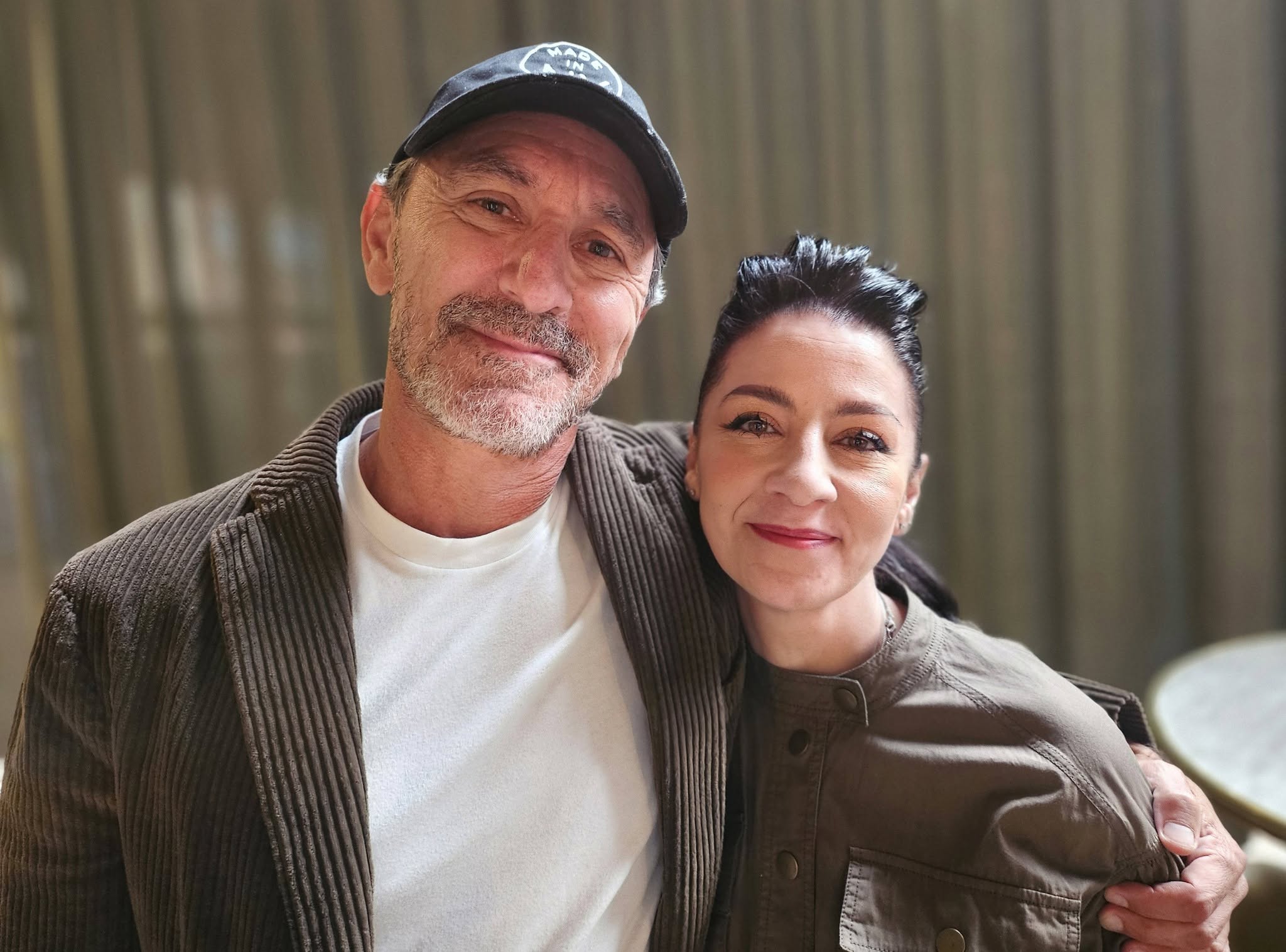
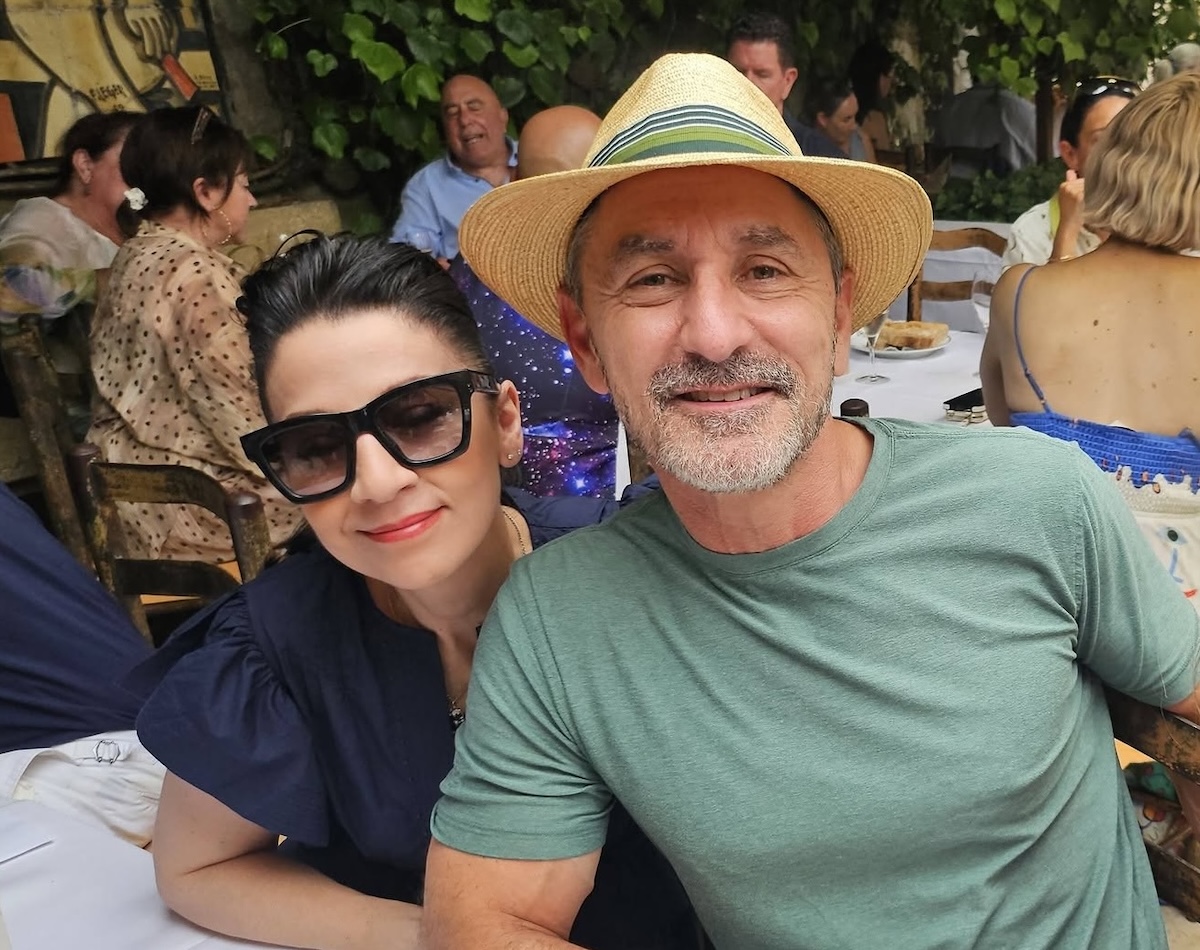
Droga and Ansari yesterday at the AWARD Lunch and (below) in June at the Campaign Brief Legendary Lunch at La Colombe d’Or during Cannes Lions.