Georgina Otto: One brand renamed its entire network after a chant. Another put it in an ad. There’s a difference.
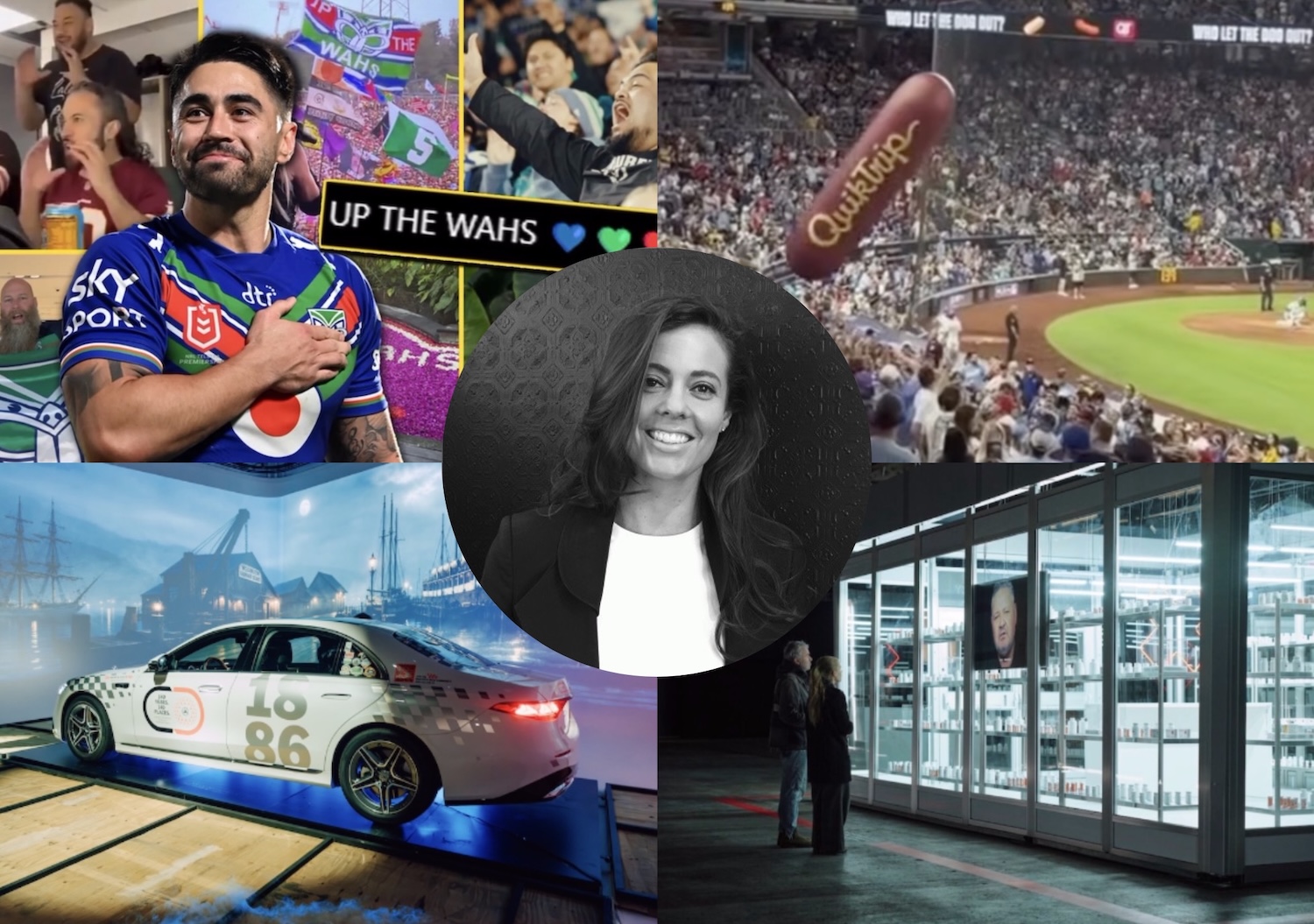
Crave Group’s Head of Brand Experience, Georgina Otto, gives CB the rundown on what separates the best from the rest in experiential and the lessons we can learn from some of the most talked-about examples, here and abroad.
Let’s be honest: everyone builds a pop-up now. Marquee, photo wall, free drink, hashtag, done. Someone in a meeting calls it “experiential” with a straight face, and three weeks later nobody remembers whose brand it was.
That’s not a campaign. That’s an expensive way to hand strangers a balloon.
What actually lands does something harder. It earns a place inside a movement people already care about. It makes a small budget punch above its weight. It finds a genuinely local idea inside a global platform. Or it turns something people could have read about into something they can actually experience.
And increasingly, it works out how the idea will travel before anyone starts building it.
Here are some examples of who’s done it well.
MOVEMENTS: EARNING THE RIGHT VS RENTING THE MOMENT
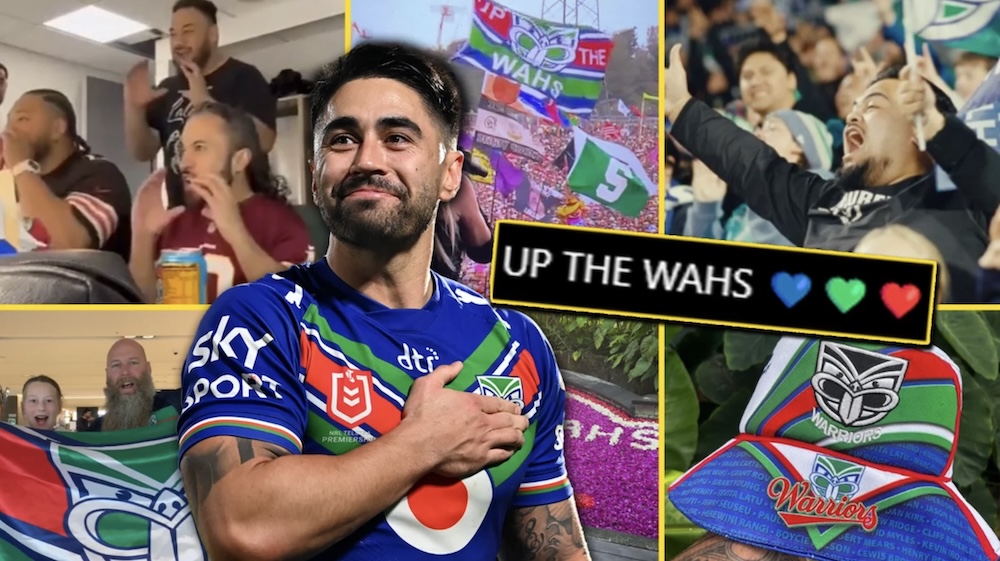
New Zealand has had a genuine cultural moment since 2023 in “Up the Wahs”, the Warriors chant that escaped the stadium and turned up in offices, cafés, airports and traffic jams.
Importantly, nobody’s marketing department invented it. This was a fan-driven catchphrase.
The club has since sold out 27 of its last 30 home games, including every home game. Big result and all in a season where they won 18 of 24 (we won’t mention last week’s final). That’s not form. That’s fandom.
And fandom is one of the most valuable, and least buyable, things in sport.
Two brands show how differently you can respond to it.
One NZ has backed the Warriors since 1999, 32 years by the time the current deal runs out, making it one of the longest continuous sponsor relationships in professional sport.
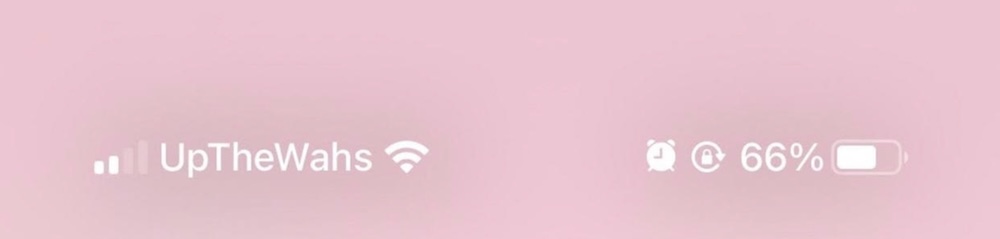
So, when the fans started saying “Up the Wahs”, One NZ didn’t just put it on a billboard. It renamed its actual mobile network “UpTheWahs” for the back end of the 2023 season, the name appearing in your phone’s signal bar rather than another ad you scroll past.
That’s what 25-plus years of committing to being there buys you. Permission.
Chinese car manufacturer GWM, a much newer partner, took the more familiar route: a retail commercial with Warriors players cast as car salesmen, built around what the brand itself called “one of New Zealand’s most powerful cultural movements.”
Perfectly fine.
But there’s a difference between earning your way into a culture and borrowing its equity for a campaign.
Fans can generally feel the difference, even if they can’t articulate it.
EXPERIENTIAL ON A BUDGET: GET IN THE BUN!
Forget a Mexican wave. American convenience chain QuikTrip just set a new standard, involving a giant inflatable frankfurter, bun, and 35 seconds of pure, unfiltered chaos.
The brand turned a Royals game into a stadium-wide relay race: one half of the crowd passing a comically oversized sausage, the other wrangling an equally oversized bun, all racing the clock to get the two together before time ran out. The prize? Free hot dogs for everyone. The real prize? A stadium full of strangers losing their minds over inflatable processed meat.
Fans pulled it off with a second to spare, and the internet did the rest. One repost alone racked up 25 million views in under a day. Not bad for two inflatables and a countdown clock.
No influencers. No six-figure production. Just a clever idea, a ticking clock, and a crowd poised to be engaged and entertained.
Simple. Silly. Shareable. And an ROI conversation that writes itself.
GLOBAL PLATFORMS, LEVERAGED WELL: FINDING THE LOCAL STORY INSIDE THE GLOBAL ONE
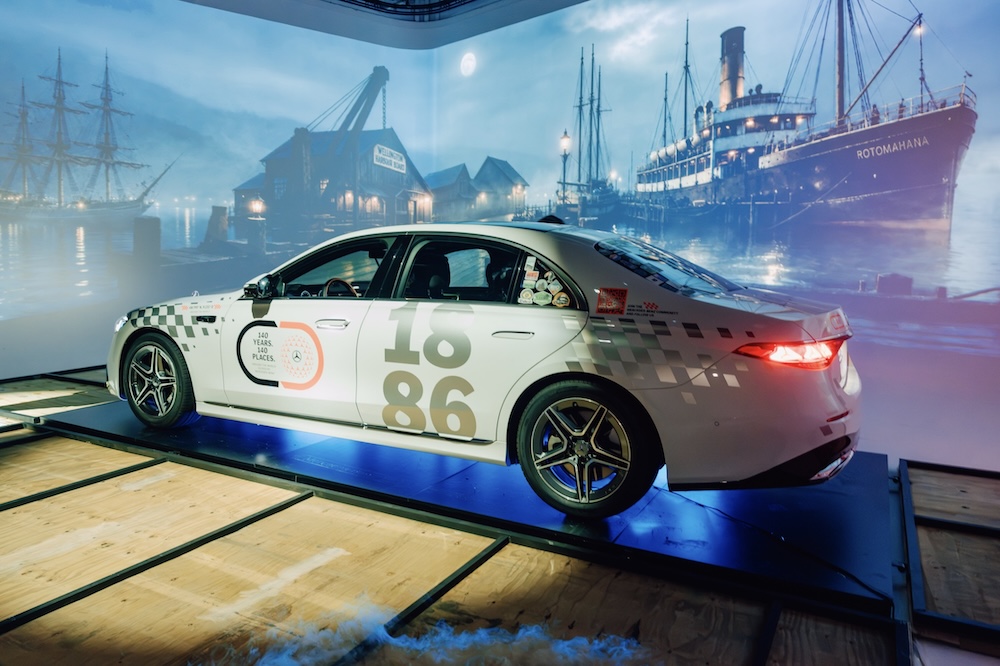
Mercedes-Benz is marking 140 Years of Innovation since Carl Benz patented the first motorcar, with a worldwide S-Class tour heroing the brand’s history and impact in global markets.
Which is exactly the kind of global platform that’s surprisingly difficult to land locally, no less in little old New Zealand.
Everyone starts with the same history, the same assets and broadly the same toolkit. The temptation is to reskin it, localise the media and call the job done.
The New Zealand leg found something the global campaign didn’t already have.
Two of the earliest Benz & Cie. Patent Motorwagens imported into New Zealand arrived in 1898, brought here by politician William McLean, who subsequently helped write the legislation that allowed motor vehicles onto New Zealand roads in the first place.
So, the local launch retold McLean’s arrival story, tied 140 years of engineering history back to Wellington Harbour where those first cars landed, then sent the new S-Class on an eight-day, 3,600-kilometre journey through the country ahead of its local release.
The global platform supplied the opportunity.
The local story supplied the relevance.
Why it works: localisation shouldn’t simply mean translation.
The best local activation doesn’t dilute the global platform. It finds the part of the story that could only have happened here.
THE CREATIVE IDEA, NOT JUST A PRETTY EVENT, AND SOMETIMES A BRAVE ONE
Here’s where a lot of experiential quietly falls over.
Beautiful set design doing the work an actual idea should be doing.
Great lighting. Great screens. Great catering. Great Instagram wall.
But what are they actually saying?
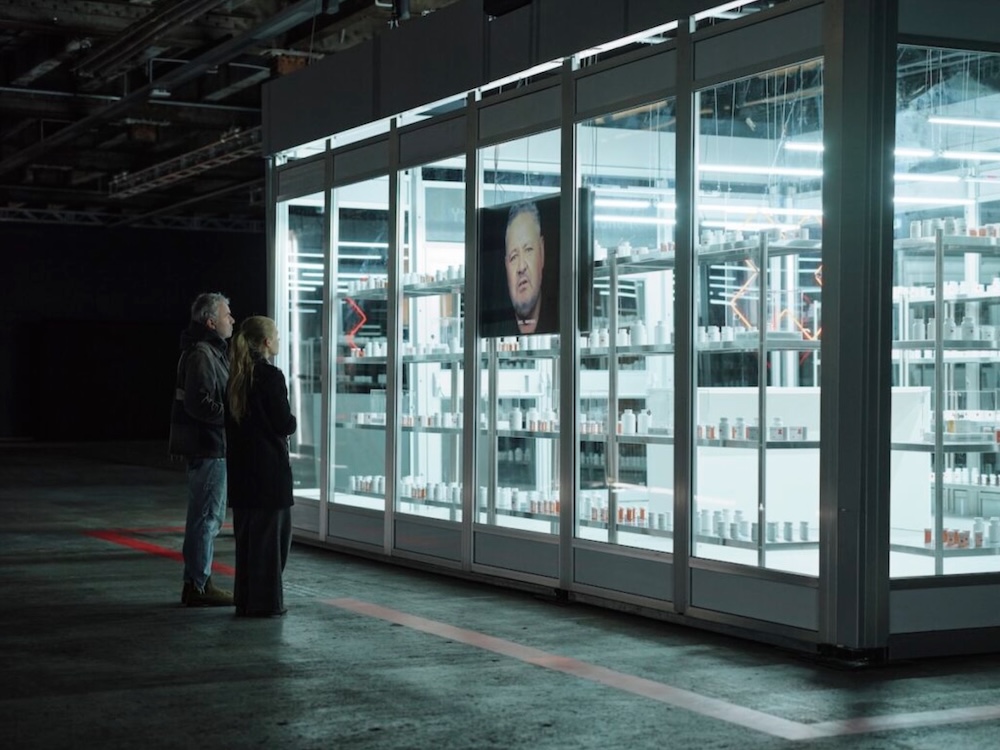
A coalition of 17 patient charities went in the opposite direction with Forbidden Pharmacy at Auckland’s Shed 10.
Hundreds of medicines sat locked behind glass doors, everyone funded and available overseas but unavailable through New Zealand’s public system.
More than 1,500 people walked through it: patients, clinicians and, importantly, politicians who could actually influence the funding settings. The campaign then pushed beyond the physical exhibition into an open letter and a wider political conversation.
There’s no clever set dressing rescuing a weak idea here.
The idea is the exhibition.
Take an uncomfortable, politically charged fact and make it something people can physically walk through rather than another statistic they scroll past.
The issue becomes tangible.
These medicines exist. You can see them. But you can’t have them.
Why it works: the idea survives when you strip the styling away.
That’s a useful test for any experiential concept.
Take away the venue, the fancy lighting, the drinks and the Instagram wall.
If there’s nothing interesting left, there probably wasn’t much of an idea there to begin with.
AMPLIFICATION: IF IT ENDS WHEN EVERYONE GOES HOME, YOU THREW A PARTY
So, the uncomfortable truth: so much experiential work dies the second the last guest walks out.
If you’re looking for high awareness and the only people who ever experienced your brilliant idea are the couple of hundred who physically turned up, you didn’t run a campaign.
You threw a party.
A lovely one, probably. Still a party.
Everything above avoids that trap in a different way. That’s the part of experiential we should probably talk about more.
Extrapolation value.
How far can an idea travel beyond the people who physically experienced it?
Social. PR. Earned media. Content. Conversation. Influence. Behaviour.
The experience shouldn’t be the end of the campaign; it should be the ignition point.
So, here’s the question worth asking before anyone signs off on the next big experiential idea: who tells this story once the doors shut, and to how many people?
The best experiential work isn’t necessarily the biggest, loudest or even the best-looking. It’s the work that earns its place in culture, has an idea worth participating in and knows how the story will travel before anyone starts worrying about how the room will photograph.